Phone/whatsapp:+86177-2151-9382
Physical address:
Yangshanfan Road Intersection, Chengdong Village, Hengcun Town, Tonglu County, Hangzhou City, Zhejiang. China
Email address:
Quote@weaveessence.com
Recycled Yarn Scarf Manufacturer China – GRS Certified
Recycled Yarn Scarf Manufacturer for GRS-Certified OEM Production
WeaveEssence manufactures recycled yarn scarves for brands that need verifiable sustainability credentials. rPET, recycled acrylic and recycled wool blend options — all GRS certified with full chain-of-custody documentation per order. 500 pcs MOQ. 30–45 day bulk lead time.

500 pcs
MOQ per Colour / Style
GRS
Certified — TC per Order
OEKO-TEX
Standard 100 Available
30–45 Days
Bulk Production Lead Time
3 Fibres
rPET · Recycled Acrylic · Recycled Wool
What WeaveEssence Manufactures — and What the Market Conflates
Recycled yarn is not a single product. The certification model, sourcing chain and performance profile differ substantially across fibre types.
The term “recycled yarn scarf” covers three distinct raw-material streams: post-consumer PET bottles converted into rPET staple fibre; post-industrial acrylic offcuts re-spun into recycled acrylic; and pre-consumer or post-consumer wool recovered from garment waste. Each has a different price point, performance envelope and certification pathway. Buyers who conflate them under a single line item are inviting compliance problems at brand audit.
WeaveEssence operates GRS-certified production across all three streams. Every production run issues a GRS transaction certificate that names the exact recycled content percentage — not a range, not a category, but a verified figure tied to that specific batch. This is what M&S Plan A, H&M Group’s sustainability standards and Inditex’s Join Life programme require of their tier-1 suppliers. We manufacture for brands that source at that level of precision.
OEKO-TEX Standard 100 certification runs in parallel. GRS certifies the chain-of-custody of recycled content; OEKO-TEX certifies that no harmful substances are present in the finished scarf — covering 100+ regulated parameters including heavy metals, formaldehyde, pesticides, allergenic dyes and pH. The two certifications address different risk vectors and are complementary, not redundant. European buyers increasingly require both.
From a commercial standpoint: 500 pcs MOQ per colour per style applies across all three fibre types. Sample lead time is 10–15 working days from spec approval. Bulk production runs 30–45 days. LCA data on CO₂ reduction versus virgin fibre is available on request and formatted for direct use in ESG disclosures.
Industry Misconception
“Recycled yarn feels rough — it’s not suitable for neckwear.”
This was accurate for first-generation recycled acrylic (c. 2010–2016), where fibre degradation produced shorter staple length and higher surface irregularity. Post-industrial recycled acrylic from controlled offcut sources now achieves ISO 12945-2 pilling Grade 3–4 — equivalent to virgin acrylic — with anti-pill enzyme finishing available.
rPET achieves comparable handle to conventional polyester at equivalent yarn count. The handle deficiency narrative is now a buying objection rooted in outdated material data, not current production reality.
Factory Technical Parameters
Recycled Fibre Specifications — WeaveEssence Production
- rPET: post-consumer PET bottle source, 80–350g fabric weight range
- Recycled acrylic: post-industrial offcut source, ISO 12945-2 Grade 3–4
- Recycled wool blend: min 30% pre-consumer wool, 160–260g weight range
- GRS TC issued per production run — recycled content % stated per batch
- OEKO-TEX Std 100: 100+ parameters including heavy metals, formaldehyde, pH
- rPET: sublimation printing compatible, ISO 105-C06 colour fastness Grade 4
- Anti-pill enzyme finishing available on recycled acrylic constructions
- LCA data (CO₂ vs virgin fibre) available per kg on request
Three Recycled Fibre Streams — Sourcing, Performance and Certification
Each stream has a distinct supply chain, performance profile and compliance requirement. Specification begins with fibre stream selection, not colour or construction.
Stream 01 — rPET
Recycled PET (Post-Consumer Bottle Source)
rPET staple fibre is produced from post-consumer PET bottles collected, sorted, flaked and re-extruded into yarn. The full supply chain — from collection point through spinning to finished scarf — is GRS certified and auditable. rPET is the most traceable of the three streams: bottle collection data is publicly available and chain-of-custody documentation is well-established across EU and North American customs channels.
Performance parameters: fabric weight 80–350g, sublimation printing compatible (enables full-colour photographic prints on white-base constructions), ISO 105-C06 colour fastness Grade 4. Constructions available: plain woven, twill, printed woven.
Post-consumer PET bottles
80–350g weight range
Sublimation print compatible
ISO 105-C06 Grade 4
GRS chain-of-custody certified
Stream 02 — Recycled Acrylic
Recycled Acrylic (Post-Industrial Offcut Source)
Post-industrial acrylic offcuts from garment manufacturing are re-spun into recycled acrylic yarn. Because the source material is controlled (factory offcuts versus mixed post-consumer collection), fibre quality consistency is higher than post-consumer streams. This translates directly to pilling performance: ISO 12945-2 Grade 3–4, equivalent to virgin acrylic. Anti-pill enzyme finishing is available as an upgrade.
The practical trade-off versus virgin acrylic is colour range: 80–120 stock shades available (versus 200+ for virgin acrylic). Custom dyeing is possible but adds lead time. Recycled acrylic is the volume choice for bulk seasonal programmes with colour-range requirements that fall within stock availability.
Post-industrial offcut source
ISO 12945-2 Grade 3–4
Anti-pill enzyme available
80–120 stock shades
GRS certified
Stream 03 — Recycled Wool Blend
Recycled Wool Blend (Min 30% Pre-Consumer Wool)
Pre-consumer wool recovered from garment manufacturing waste is blended with recycled acrylic or recycled polyester to produce a recycled wool blend yarn. Minimum recycled wool content is 30% — the threshold required for GRS certification of the wool component. Higher wool percentages (50%, 70%) are available at increased cost. The blend construction provides better dimensional stability than 100% wool and reduces pilling at lower wool percentages.
Fabric weight range: 160–260g. Constructions: jacquard and plain woven. The recycled wool blend is the correct specification for buyers targeting EU sustainable fashion positioning who require natural-fibre feel at a lower price point than cashmere or virgin wool.
Min 30% pre-consumer wool
160–260g weight range
Jacquard & plain woven
50% / 70% wool options
GRS certified blend
Certification and Documentation — What Ships with Every Order
Retailer sustainability compliance is document-driven. Every WeaveEssence order ships with a complete documentation package covering recycled content verification, substance safety and carbon data.
Document 01
GRS Transaction Certificate — Per Order
The GRS transaction certificate (TC) is issued per production run — not per range or per season. It states the exact recycled content percentage for that batch, the certified facilities in the chain of custody, and the certification scope. This is the document that M&S Plan A, H&M Group and Inditex Join Life require at point of order acceptance. WeaveEssence’s GRS certification covers production, not just yarn procurement — the TC reflects the complete manufacturing chain.
Document 02
OEKO-TEX Standard 100 Certificate
OEKO-TEX Standard 100 tests every component of the finished scarf — yarn, dye, auxiliary chemicals, labels, trims — against 100+ regulated parameters: heavy metals, formaldehyde, pesticides, allergenic dyes, pH and prohibited azo dyes. The certificate is issued per article, not per factory. When selected, it is included in the order documentation package alongside the GRS TC, enabling retailers to make both recycled-content and substance-safety claims without commissioning independent testing.
Document 03
LCA Data & Compliance Documentation
Life Cycle Assessment (LCA) data on CO₂ savings versus virgin fibre equivalent is available per kg on request, formatted for use in ESG reports and brand sustainability submissions. Additional documentation: fibre composition declaration (EU textile labelling compliant), recycled content % statement for product labelling, and an FSC-certified packaging option. The package covers standard brand ESG reporting requirements and is structured for France EPR, Germany EPR and Netherlands EPR compliance — all three require substantiated recycled content claims.
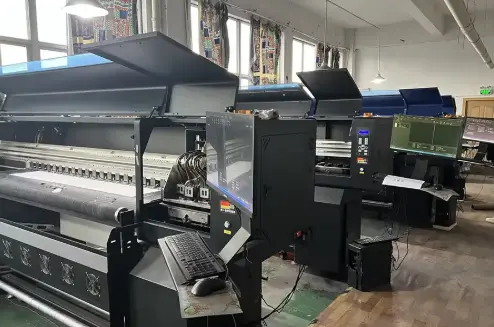
rPET — post-consumer bottle source, GRS TC per order
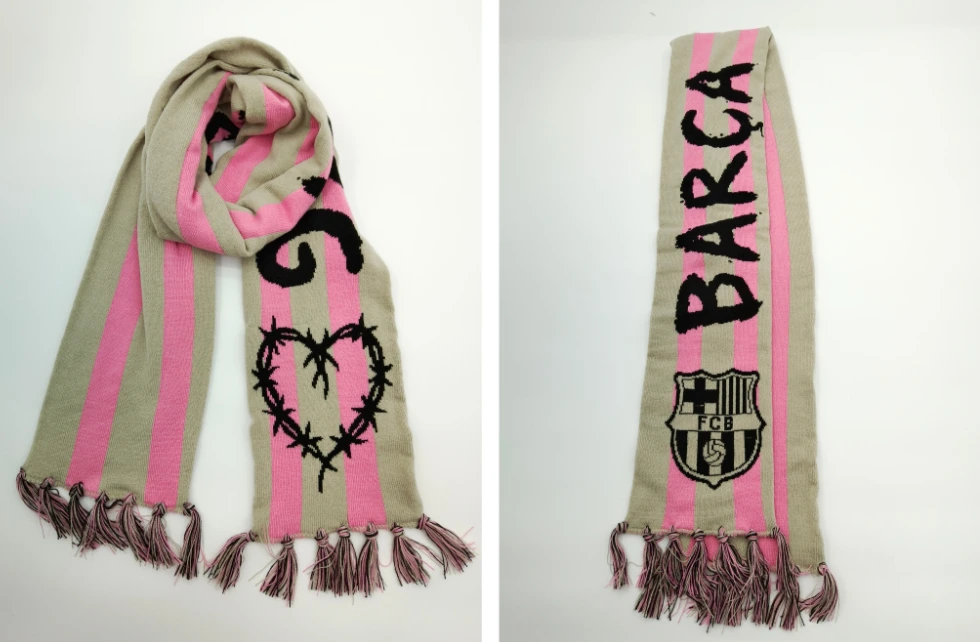
Recycled acrylic — ISO 12945-2 Grade 3–4 pilling performance

Full certification documentation — GRS TC + OEKO-TEX per order
Commercial Parameters — MOQ, Lead Time and Pricing Structure
Fixed commercial terms across all three fibre streams. Pricing is provided at quotation stage based on fibre, construction, weight and certification scope.
500 pcs
MOQ per Colour per Style
10–15 Days
Sample Lead Time (from spec approval)
30–45 Days
Bulk Production Lead Time
80–120
Stock Shades — Recycled Acrylic
Technical Specification Reference
Core specification parameters across fibre streams. Full technical data sheets and test reports provided at sampling stage.
| Parameter | Specification |
|---|---|
| MOQ | 500 pcs per colour per style (all fibre streams) |
| rPET Source | Post-consumer PET bottles — GRS chain-of-custody certified |
| Recycled Acrylic Source | Post-industrial offcuts — controlled quality, GRS certified |
| Recycled Wool Blend | Min 30% pre-consumer wool; 50% and 70% options available |
| Fabric Weight Range | rPET: 80–350g; Recycled wool blend: 160–260g |
| Pilling Performance (Recycled Acrylic) | ISO 12945-2 Grade 3–4 (equivalent to virgin acrylic) |
| Colour Fastness | ISO 105-C06 Grade 4 (rPET and recycled acrylic) |
| Stock Colour Range | Recycled acrylic: 80–120 shades; custom dye available |
| Print Compatibility | rPET: sublimation printing compatible (photographic resolution) |
| GRS Certification | Transaction certificate per production run; recycled content % stated per batch |
| OEKO-TEX Standard 100 | Available; covers 100+ parameters — heavy metals, formaldehyde, pH, allergenic dyes |
| Additional Finishing | Anti-pill enzyme (recycled acrylic); FSC-certified packaging option |
OEM Manufacturing Process — GRS Chain-of-Custody at Every Stage
GRS certification is maintained throughout production, not applied retrospectively at the finished-goods stage.
01
Days 1–3 from Enquiry
Technical Brief & Fibre Stream Selection
Buyer specifies certification scope (GRS only, or GRS + OEKO-TEX), fibre stream, fabric weight, construction type and colour requirement. WeaveEssence confirms available stock shades and advises on custom dye lead time if applicable. LCA data requirements confirmed at this stage.
02
Days 4–7
GRS Chain-of-Custody Verification — Yarn Lot
Yarn lot selected from GRS-certified inventory. Recycled content percentage verified against GRS documentation — the figure that will appear on the transaction certificate is confirmed before production commits. For rPET: bottle-source traceability documentation reviewed. For recycled wool: pre-consumer source certification confirmed. No production starts without GRS yarn documentation clearance.
03
Days 8–15 (Sample)
Sample Production & Spec Approval
Physical sample produced using certified yarn lot. Colour swatch approval, weight confirmation, pilling test (ISO 12945-2) and colour fastness test (ISO 105-C06) conducted. OEKO-TEX pre-testing initiated in parallel if selected. Sample ships with preliminary technical data sheet for buyer review and approval.
04
Days 16–20 (Post-Approval)
Bulk Production Planning & GRS Documentation
Bulk production order placed against GRS-certified yarn lot. Production plan issued with facility certifications confirmed. GRS transaction certificate draft prepared — fibre stream, recycled content %, production batch reference and certified facility names. OEKO-TEX certification scope finalised for bulk run.
05
Days 21–45 (Bulk)
Bulk Weaving, Finishing & QC
Bulk production on GRS-certified weaving lines. Finishing: anti-pill enzyme (recycled acrylic if selected), washing, pressing, dimensional check. Final QC: pilling, colour fastness, weight per sqm, dimensional tolerance. OEKO-TEX Standard 100 final certificate issued where selected. All QC results documented per production batch.
06
Day 45–48
Documentation Package & Shipment
Complete documentation compiled: GRS transaction certificate (recycled content % per batch), OEKO-TEX Standard 100 certificate (where selected), fibre composition declaration, recycled content % statement for product labelling, LCA data (on request), FSC packaging certificate (where selected). Shipped with goods for brand compliance submission.
Who Sources Recycled Yarn Scarves from WeaveEssence
The common factor is a compliance requirement that goes beyond “recycled” labelling to verifiable, auditable certification.
Buyer Profile 01
EU Sustainable Fashion Brands — ESPR and Green Claims Directive Compliance
European brands preparing for the EU Ecodesign for Sustainable Products Regulation (ESPR) and the Green Claims Directive need substantiated recycled content claims — not marketing assertions. The GRS TC provides the legal basis for recycled-content product labelling. The OEKO-TEX certificate addresses substance safety. Both are required for credible EU market positioning from 2025 onward. WeaveEssence provides both in a single order documentation package.
Buyer Profile 02
Major Brand Private Label — M&S, H&M Group, Inditex Tier-1 Standards
Tier-1 suppliers to M&S Plan A, H&M Conscious and Inditex Join Life programmes must provide GRS TCs at order acceptance — not post-shipment. WeaveEssence’s GRS certification covers the full manufacturing chain, not yarn procurement alone. The TC is available in draft before bulk commitment and issued per production run, meeting all three retailers’ audit requirements without additional documentation burden on the buyer.
Buyer Profile 03
Promotional Merchandise & Corporate Gifting — ESG Reporting Alignment
Corporate buyers sourcing recycled yarn scarves for staff gifts or branded merchandise need supplier documentation that integrates directly into Scope 3 ESG reporting. LCA data on CO₂ savings versus virgin fibre, formatted for ESG disclosure, is available per order on request. The GRS TC provides the recycled content verification required for corporate sustainability reporting frameworks including GRI and CDP.
Buyer Profile 04
EPR-Registered Brands — France, Germany, Netherlands
Brands registered under France’s REP Textiles, Germany’s Verpackungsgesetz or Netherlands’ EPR programme face mandatory recycled content reporting requirements. The GRS TC, fibre composition declaration and recycled content % statement provided per WeaveEssence order are structured to meet all three national EPR reporting formats. Buyers confirm EPR requirements at briefing stage; documentation is formatted accordingly.
Why Brands Choose WeaveEssence for GRS-Certified Production
Certification management, documentation precision and supply chain transparency — the three operational reasons buyers return order-on-order.
GRS TC Issued Per Order, Not Per Range
Many manufacturers issue a single GRS certificate covering their entire product range. WeaveEssence issues a transaction certificate per production run — the document names the specific batch, the exact recycled content percentage and the certified facilities for that order. This is the format required by major EU and North American retailers at compliance audit. A range-level certificate does not satisfy brand TC requirements — a per-order TC does.
OEKO-TEX Available Without Third-Party Testing Burden
Buyers who source OEKO-TEX-certified products from non-certified factories must commission and pay for independent testing per article. WeaveEssence’s OEKO-TEX Standard 100 certification means the certificate is included in the order documentation at a fraction of the cost of buyer-commissioned testing. For brands building a compliant sustainable accessories range, this removes a material cost and lead-time obstacle per SKU.
LCA Data Formatted for ESG Disclosure
CO₂ savings versus virgin fibre equivalent, provided per kg of recycled yarn scarf produced, formatted for use in ESG reports, brand sustainability submissions and corporate CDP disclosures. The data is available on request per order, not as a generic industry figure — it reflects the actual fibre stream, weight and production run. For Scope 3 reporting accuracy, per-order LCA data is materially more defensible than industry averages.
Frequently Asked Questions — Recycled Yarn Scarves
What does GRS certification verify for recycled yarn scarves?
GRS verifies the recycled content percentage, chain of custody from collection point through every processing stage to the finished scarf, and social/environmental/chemical compliance at each certified facility. The transaction certificate is issued per order and accepted by all major EU and North American brands as compliant proof of recycled content claims.
What is the MOQ for recycled yarn scarves?
500 pcs per colour per style across all fibre streams and constructions. Stock-colour recycled acrylic programmes can be structured as mixed-colour orders across 80–120 available shades, subject to minimum dye lot per colour. Sample lead time is 10–15 working days from spec approval.
How does recycled acrylic perform versus virgin acrylic for pilling?
Recycled acrylic from post-industrial sources achieves ISO 12945-2 pilling Grade 3–4 and ISO 105-C06 colour fastness Grade 4 — equivalent to virgin acrylic — with anti-pill enzyme treatment available. The only practical difference is colour range: 80–120 stock shades versus 200+ for virgin acrylic.
Can recycled yarn scarves carry both GRS and OEKO-TEX certification?
Yes — GRS and OEKO-TEX Standard 100 are complementary and both available from WeaveEssence. GRS certifies recycled content and chain-of-custody; OEKO-TEX certifies no harmful substances across 100+ regulated parameters. The combination is the accepted standard for European sustainable accessories brands.
What documentation do you provide for sustainability reporting and brand compliance?
Every order ships with: GRS transaction certificate (recycled content % per production run), OEKO-TEX Standard 100 certificate (where selected), fibre composition declaration, recycled content % statement for product labelling, and LCA data on request. The package covers all standard brand compliance and ESG reporting requirements including France EPR, Germany EPR, Netherlands EPR and GRI/CDP Scope 3 frameworks.
Related Products & Pages
Source GRS-Certified Recycled Yarn Scarves — 500 pcs MOQ
WeaveEssence manufactures recycled yarn scarves with full GRS transaction certification and OEKO-TEX Standard 100 compliance. Every order ships with complete documentation for brand audit, ESG reporting and EPR compliance. Sample lead time 10–15 days from spec approval.
- GRS transaction certificate issued per production run
- OEKO-TEX Standard 100 — 100+ regulated parameters
- rPET, recycled acrylic and recycled wool blend options
- 500 pcs MOQ — 30–45 day bulk lead time
- LCA data (CO₂ vs virgin fibre) available per order
- EPR-compliant documentation — France / Germany / Netherlands
- Anti-pill enzyme finishing available — recycled acrylic
- Sublimation printing compatible — rPET constructions