Phone/whatsapp:+86177-2151-9382
Physical address:
Yangshanfan Road Intersection, Chengdong Village, Hengcun Town, Tonglu County, Hangzhou City, Zhejiang. China
Email address:
Quote@weaveessence.com
Custom Wool Beanie Manufacturer — China OEM Factory
Custom Wool Beanie Manufacturer for Merino & Cashmere Blend OEM Hats
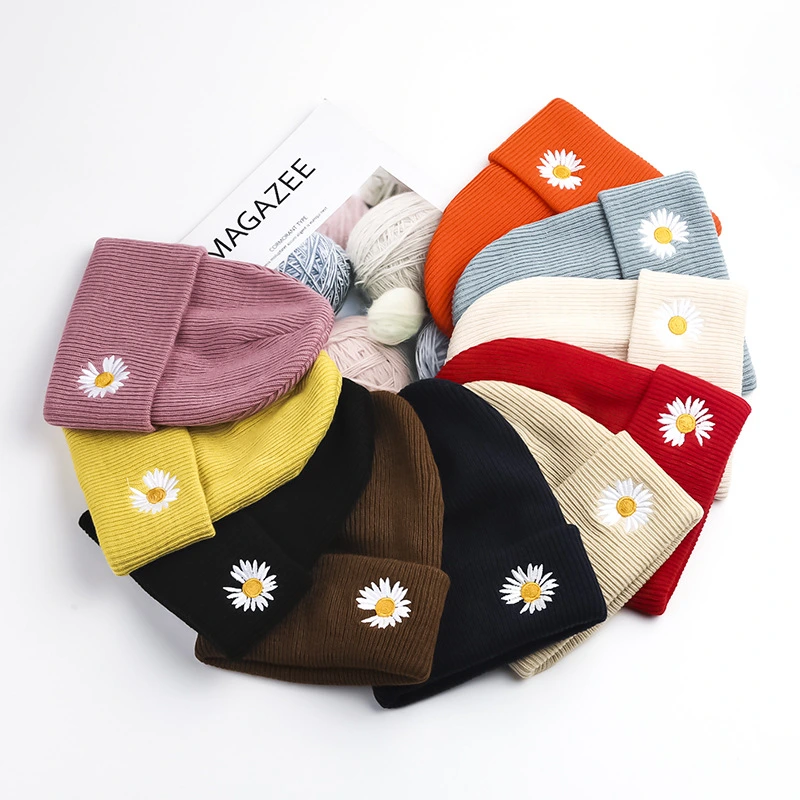
Factory-direct wool beanies for fashion brands, wholesale importers, and premium gifting buyers. Merino wool, lambswool, cashmere blend and wool-acrylic in 5gg–14gg. OEKO-TEX certified. Mulesing-free merino available. Sample in 12–18 working days.
500 pcs
MOQ per style per colour
5–14gg
Wool gauge range
12–18 Days
Sample lead time
≤3%
Shrinkage tolerance (ISO 6330)
OEKO-TEX
Standard 100 certified
Custom Wool Beanie Manufacturing from China — What We Produce
WeaveEssence is a China-based wool beanie manufacturer producing OEM and wholesale orders for fashion brands, premium wholesale importers, private label knitwear programmes, and corporate gifting orders. Our wool beanie range covers four natural fibre categories: merino wool (Nm 28/2 to Nm 48/2 grade, extra-fine 17.5 micron to 19.5 micron), lambswool (Nm 24/2 to Nm 36/2, British and Australian clip), cashmere-blend (cashmere 10%–30% + merino or fine wool carrier), and wool-acrylic blend (50/50 to 80/20 wool:acrylic ratio), covering a full price-tier spectrum from accessible blends to fine-gauge premium constructions.
The most consequential decision for any wool beanie programme is fibre specification — not yarn brand, not colour, not even gauge. Fibre specification determines micron count (which determines hand-feel and itch perception), staple length (which determines pilling tendency), twist level (which determines durability), and fibre content declaration (which determines regulatory labelling requirements in EU, US, UK, and Australian markets). Two factories quoting “merino wool beanies” from different micron grades are producing technically different garments, even if the knitted construction appears identical on the surface. We specify micron, grade, blend ratio, and yarn count in the tech pack before any sample is produced, and hold the approved sample as the binding production reference.
Every wool beanie order follows the same production sequence: fibre specification lock and written tech pack, yarn pre-production swatch for colour and shrinkage approval, physical sample with Delta E ≤ 1.0 colour measurement, written buyer approval, bulk production with pre-shrinkage finishing, AQL 2.5 inspection (ISO 2859-1), and shipment with OEKO-TEX documentation and third-party fibre content test reports on request. For buyers coordinating wool beanies with wool scarves, we produce from the same yarn dye lot within the same production window — the only method that achieves component-to-component colour accuracy with natural fibres.
Wool requires specific finishing steps that synthetic knitwear does not: wet finishing and steam pressing to stabilise dimensions, pre-shrinkage treatment per ISO 6330 before QC measurement, and in some constructions fulling or brushing to achieve the correct surface texture. These steps are built into our standard production timeline and are not optional add-ons. Buyers sourcing from lower-cost manufacturers who skip pre-shrinkage finishing frequently encounter retail returns driven by customer-level shrinkage after first wash.
Factory Note
Gauge
5gg–14gg. Chunky 5–7gg; standard 7–10gg; fine 10–14gg for merino.
Fibre
Merino (17.5–19.5μm), lambswool, cashmere blend, wool-acrylic. OEKO-TEX.
Shrinkage
≤3% warp & weft per ISO 6330. Pre-shrinkage finishing standard on all wool.
Colour
Delta E ≤ 1.0 same-fibre sets. Cross-fibre ≤ 2.0 under D65 illuminant.
Mulesing
Mulesing-free merino available; supplier-level declaration provided.
Certif.
OEKO-TEX Standard 100; SGS/Intertek fibre content test reports on request.
Bulk LT
40–50 working days from PO + deposit. Custom yarn dyeing may extend by 5–8 days.
Finishing
Wet finishing + steam press standard. Fulling or brushing available on spec.
Common Misconceptions About Sourcing Wool Beanies from China
❌ Misconception: “All merino wool is the same — if the label says merino, the quality is consistent regardless of supplier.”
✔ Reality: Merino quality is determined by micron count, not the word “merino.” The difference between 17.5μm and 21.5μm merino is the difference between ultra-soft and perceptibly itchy.
The itch threshold for most adults is approximately 22 microns — fibres above this diameter mechanically trigger itch receptors in the skin. Extra-fine merino at 17.5–18.5μm sits well below this threshold and feels soft against bare skin. Standard merino at 20–21.5μm sits at the borderline and will feel itchy to sensitive wearers. A supplier quoting “100% merino” without specifying micron count could be using any grade within a 4–5μm range, which the end consumer will perceive as a quality difference. We specify micron grade in the tech pack and provide third-party fibre diameter test reports (IWTO-12 standard) on request.
❌ Misconception: “Wool beanies don’t need pre-shrinkage treatment if the care label says hand wash only — it’s the customer’s responsibility.”
✔ Reality: Garment-level pre-shrinkage finishing is a production standard, not a care-instruction workaround. Care labels communicate how to maintain a garment, not how to compensate for incomplete manufacturing.
Untreated wool fibre has a directional scale structure on each strand — when agitated in water, these scales interlock and the fibre irreversibly contracts. Proper pre-shrinkage finishing (wet finishing and steam blocking per ISO 6330) stabilises the fibre structure before the garment reaches the buyer’s hands. Beanies that skip this step will shrink measurably at first wear if perspiration-damp, and will shrink dramatically at first wash regardless of care instructions. WeaveEssence runs pre-shrinkage treatment as a standard production step on all wool beanies, achieving dimensional stability of ≤3% in both directions before QC measurement.
❌ Misconception: “Pilling is a defect caused by low-quality yarn — premium merino wool beanies shouldn’t pill at all.”
✔ Reality: Pilling in wool knitwear is a fibre property, not a defect. Fine-fibre merino pills more readily than coarser wool in the short term, but pills detach naturally over time. The issue is managing the pilling timeline through yarn specification and construction.
Pilling is caused by surface fibres migrating and tangling under friction. Finer fibres (lower micron) are more prone to initial pilling because they have more flexibility to migrate. However, fine merino pills are weakly attached and self-detach within a few wears, whereas coarser wool pills attach more strongly and persist. The correct response is not to avoid fine merino — it is to specify an appropriate yarn twist level and gauge that minimises pill formation. WeaveEssence specifies pilling performance per ISO 12945-2 (Martindale method), targeting Grade 3–4 for wool-acrylic blends and Grade 4 for fine merino at specified twist levels. Pilling standard is documented in the tech pack and verified on bulk production samples before shipment is authorised.
Wool Beanie Constructions We Produce
Each construction type targets a different fibre category, channel, and price tier. Fibre specification, gauge, and finishing treatment are confirmed in writing before sampling begins.
01 — Premium Standard
Fine-Gauge Merino Rib Beanie (7gg–14gg)
The primary construction for premium fashion wholesale and private label wool knitwear. Extra-fine merino at 17.5–19.5 micron in a 1×1 or 2×2 rib delivers the soft-against-skin hand-feel that differentiates premium from mid-tier wool knitwear. Fine gauge (7gg–14gg) allows precise stitch definition, a lightweight feel despite excellent thermal insulation, and a refined drape that heavier-gauge constructions cannot achieve. This construction is the standard for coordinated winter accessories sets — beanie + scarf + gloves in matched colourways from the same yarn dye lot.
7gg–14gg
17.5–19.5μm merino
50–90g
Sample 14–18 days
02 — Mid-Range Volume
Lambswool Rib Beanie (5gg–10gg)
Lambswool — the first shearing of a sheep at approximately seven months — has a finer, softer staple than standard adult wool and naturally lower itch tendency than wool at the same micron count because the fibre tips are untipped by previous shearing. At 5gg–10gg, lambswool rib beanies position mid-price between premium merino and volume acrylic, making them well suited to mid-tier private label programmes, outdoor wholesale accounts, and branded corporate gifting where natural fibre provenance matters but premium merino pricing is above brief. Available in natural undyed shades (ecru, grey, oatmeal) without dye surcharge — a cost efficiency for certain lifestyle and heritage brand aesthetics.
5gg–10gg
Lambswool first clip
70–130g
Natural undyed available
03 — Luxury Tier
Cashmere-Blend Beanie (10gg–14gg)
Cashmere content from 10% to 30% blended with fine merino or lambswool carrier, knitted at 10gg–14gg for maximum surface softness and a refined hand-feel that remains the most effective premium signal in the fashion accessories market. True cashmere fibre runs 14–16 microns — significantly finer than extra-fine merino — and the blending ratio directly controls price tier. We declare all cashmere blends by exact percentage, supported by SGS or Intertek fibre content test reports required for EU and US labelling compliance. Available in slim-fit and slightly relaxed crown proportions for contemporary fashion placement.
10gg–14gg
10%–30% cashmere
40–80g
SGS fibre test report
04 — Accessible Natural Fibre
Wool-Acrylic Blend Beanie (5gg–10gg)
Wool-acrylic blends at 50/50, 70/30, and 80/20 wool:acrylic ratios deliver the warmth, natural aesthetic, and partial itch-resistance of wool at a price point below 100% natural fibre. The acrylic carrier improves machine washability (depending on blend ratio and finishing treatment), reduces shrinkage risk, and increases volume-order colour consistency because acrylic takes dye more evenly than wool. At 5gg–10gg on a ribbed construction, this is the most commercially versatile wool beanie format — suitable for mass-market fashion retail, outdoor chains, and mid-volume promotional programmes where “wool content” is a selling feature but 100% wool pricing is above commercial range.
5gg–10gg
50/50–80/20 wool:acrylic
60–130g
MOQ 500 pcs
Wool Fibre Comparison for Beanie Manufacturing
Fibre selection affects hand-feel, regulatory labelling, retail price positioning, care requirements, and certification documentation. The table below covers the main wool fibre options we produce at WeaveEssence.
| Fibre | Micron Range | Itch Risk | Price Tier | Best Application |
|---|---|---|---|---|
| Extra-Fine Merino | 17.5–18.5μm | None — soft against bare skin | Premium | Fashion brands, travel retail, coordinated sets |
| Fine Merino | 18.5–19.5μm | Very low | Premium–Mid | Premium private label, wholesale programmes |
| Lambswool | 24–29μm (softened by untipped tip) | Low–Moderate | Mid | Outdoor wholesale, corporate gift, heritage brands |
| Cashmere Blend (10–30%) | 14–16μm cashmere + merino carrier | None | Luxury | Luxury private label, boutique retail, premium gift |
| Wool-Acrylic Blend | Wool component 20–28μm | Low (acrylic dilutes wool contact) | Mid–Value | Mass market, fashion chains, volume promotional |
Fibre content must be accurately declared under EU Textile Regulation No. 1007/2011 and US FTC Textile Rules. Third-party fibre content verification (SGS or Intertek) is available on request. See our merino wool scarf range for wool material specifications across our full product category.
OEM Production Specification Overview — Wool Beanies
The table below covers core parameters for OEM and wholesale wool beanie programmes at WeaveEssence. All specifications reflect factory standards as of 2026.
| Parameter | Specification | Significance for Buyers |
|---|---|---|
| MOQ | 500 pcs per style per colour | Multiple styles consolidated in one shipment; each fibre-colour combination counts independently |
| Gauge range | 5gg–14gg | Determines yarn count compatibility, weight, stitch definition, and machine type — confirmed at spec stage |
| Merino micron | 17.5–19.5μm (extra-fine to fine) | Below 22μm itch threshold; difference from 17.5μm to 21.5μm is perceptible to end consumer |
| Weight range | 40–160g per beanie | Dependent on gauge, fibre type, and blend ratio — fine merino lighter than lambswool at same gauge |
| Shrinkage | ≤3% warp & weft (ISO 6330) | Pre-shrinkage finishing standard — prevents post-sale shrinkage complaints and retail returns |
| Colour matching | Delta E ≤ 1.0 (same fibre); ≤2.0 (cross-fibre) | Spectrophotometer verified; same-lot production for coordinated beanie + scarf + glove sets |
| Pilling standard | Grade 3–4 (ISO 12945-2) | Fine merino achieves Grade 4 at specified twist; wool-acrylic achieves Grade 3–4 consistently |
| Sample lead time | 12–18 working days | Wool requires pre-shrinkage finishing and yarn dye confirmation before sample completion — longer than acrylic |
| Bulk lead time | 40–50 working days | Custom dye programmes may extend to 55 days; natural undyed shades have shorter lead time |
| Fibre declaration | Third-party test reports available | SGS or Intertek reports required for EU Textile Reg. 1007/2011 and US FTC Textile Rules compliance |
| Certification | OEKO-TEX Standard 100 | 100+ regulated substances tested; covers all wool fibres and dyes used in production |
| QC inspection | AQL 2.5 (ISO 2859-1) | Third-party inspection accepted; pre-shipment measurement report issued per batch |
Test references: ISO 6330 (shrinkage), ISO 12945-2 (pilling, Martindale), ISO 105-C06 (colour fastness to washing), ISO 2859-1 (AQL), IWTO-12 (fibre diameter).
Our 6-Step OEM Process for Wool Beanies
Wool beanie programmes follow this workflow. Wool requires additional steps vs synthetic knitwear — pre-shrinkage finishing and fibre test reports are built into the standard timeline, not treated as optional extras. See our custom knitwear OEM service for full programme documentation.
01
Specification Lock
Fibre type, micron grade, blend ratio, gauge, weight target, sizing, colour references, and care label requirements confirmed in writing. Tech pack issued. Mulesing-free declaration requested at this stage if required.
02
Yarn Pre-Production Swatch
Dyed yarn swatch produced and colour measured before knitting begins. Shrinkage assessment on swatch material. Colour approval by buyer before sample production starts — avoids full sample re-run for colour corrections.
03
Sample Development
Physical sample produced in 12–18 working days including pre-shrinkage finishing. Colour measured to Delta E ≤ 1.0. Dimensions confirmed post-finishing. Shipped with full spec sheet and yarn swatch.
04
Sample Approval & PO
Written approval from buyer. Amendment comments addressed within 5–8 working days. PO issued, 30–50% deposit received. Production scheduled; yarn pre-purchase confirmed. Delivery date locked in writing.
05
Bulk Production & Finishing
40–50 working days. Knitting, wet finishing, pre-shrinkage blocking, and steam pressing. AQL 2.5 inspection per ISO 2859-1. Inline colour and weight checks. Pre-shipment QC report issued per batch.
06
Shipment & Documents
Packed per specification. OEKO-TEX documentation, fibre content test reports (SGS/Intertek on request), care labels, and measurement reports issued per shipment. FOB Ningbo or Shanghai; airfreight available.
Who Orders Wool Beanies from WeaveEssence
Wool beanie buyers have more specific sourcing requirements than synthetic beanie buyers — fibre provenance, labelling compliance, and price-tier accuracy are the primary purchase drivers.
Buyer Profile — Fashion & Private Label
Fashion Brands & Private Label Knitwear Buyers
The primary segment for fine-gauge merino and cashmere-blend beanies. Seasonal collections under private label, typically 500–5,000 pcs per style in extra-fine merino (17.5–18.5μm) or 15–20% cashmere blend. Core pain point: consistent micron grade across reorder seasons — buyers frequently find that reorder beanies from a different yarn lot feel noticeably different from the original programme. We document yarn supplier, micron grade, and yarn lot number in every order and provide carryover documentation for reorder matching. Component colour coordination with winter scarves and gloves at Delta E ≤ 1.0 is standard on all coordinated sets programmes.
Buyer Profile — Premium Wholesale
Premium Wholesale Importers & Multi-Brand Distributors
Wholesale importers supplying independent boutiques, outdoor retailers, and multi-brand distribution accounts in EU, UK, and North American markets. Typical orders 2,000–15,000 pcs per season across lambswool and merino rib beanies in natural and dyed colourways. Primary concern: fibre content labelling accuracy and third-party test documentation for retail compliance. We provide SGS or Intertek fibre content test reports as standard for all wool programmes — required for EU Textile Regulation No. 1007/2011 compliance. See our bulk production service for multi-style programme logistics.
Buyer Profile — Corporate Gift
Corporate Gifting & Premium Promotional Buyers
Premium branded gifts in wool or cashmere-blend beanies with embroidered or woven label branding. Typically 500–3,000 pcs per programme, one or two corporate colours. Pain point: ensuring the wool specification matches the perceived value of the gift — cashmere-labelled items that turn out to be negligible cashmere percentage attract regulatory scrutiny. We provide fibre content test reports with every cashmere-blend order, with percentage declared accurately. Custom gift packaging and coordinated scarf and glove sets available. See our promotions and gifting service for programme details.
Buyer Profile — Mass Market Retail
Mass Market Retailers & Fashion Chains
High-volume buyers sourcing wool-acrylic blend beanies (50/50 to 70/30 wool:acrylic) for national retail chains and online wholesale platforms. Typical orders 5,000–50,000 pcs per season in 5gg–8gg rib construction. The key advantage of the wool-acrylic format for this buyer type is the natural fibre story at an accessible price point — “wool content” as a retail floor category claim — combined with improved colour consistency (acrylic dye uptake is more uniform than pure wool) and reduced shrinkage risk versus 100% wool. OEKO-TEX certification is required for EU market placement. Same season reorder within 35 working days for replenishment programmes.
Wool Beanie OEM FAQ
What is the MOQ for custom wool beanies?
500 pcs per style per colour. Merino, lambswool, cashmere-blend, and wool-acrylic styles can be consolidated in one shipment, but each fibre type and colour combination counts independently toward MOQ.
Is mulesing-free merino wool available?
Yes — mulesing-free merino is available and accompanied by a supplier-level declaration of mulesing-free origin. Required for EU and UK retail buyers where animal welfare provenance is increasingly a buyer specification, not a preference.
How do you prevent wool beanies from shrinking after washing?
All wool beanies undergo pre-shrinkage finishing (ISO 6330) before QC measurement — shrinkage tolerance ≤3% in both directions. This is a standard production step, not an optional upgrade.
Can wool beanies be colour-matched to wool scarves in the same order?
Yes — same-fibre sets produced from the same yarn dye lot achieve Delta E ≤ 1.0 between components. Cross-fibre matching (wool beanie + acrylic scarf) achieves Delta E ≤ 2.0 under D65 illuminant with individual metamerism testing.
What certifications apply to wool beanies and can you provide fibre content test reports for retail compliance?
OEKO-TEX Standard 100 covers all wool beanies produced at our facility. Third-party fibre content test reports (SGS or Intertek) are available on request — these confirm declared wool and cashmere percentages and are required for EU Textile Regulation No. 1007/2011 and US FTC Textile Rules compliance. Mulesing-free supplier declarations, GRS recycled wool documentation, and BSCI factory audit are available for qualifying programmes. AQL 2.5 inspection (ISO 2859-1) is accepted on all bulk orders; a measurement report and pre-shipment QC report ship with every order.
Related Pages
Start Your Wool Beanie OEM Programme
Tell us your fibre preference (merino, lambswool, cashmere-blend, or wool-acrylic), gauge target, colour references, and delivery window. We will confirm micron grade recommendations and sampling timeline within 1 business day.
- MOQ 500 pcs per style per colour
- Extra-fine merino from 17.5μm — below itch threshold
- Mulesing-free merino available with declaration
- Pre-shrinkage finishing standard — ≤3% dimensional change
- Delta E ≤ 1.0 colour accuracy across coordinated sets
- SGS/Intertek fibre content test reports on request
- OEKO-TEX Standard 100 certified
- Factory direct — no trading company